Which Heat Press Machine in Pakistan Is Best? Types, Sizes and Tips
Custom t-shirts, printed mugs, personalised caps and gift items have turned into a steady income source for thousands of small businesses. Some started in a spare room with a single machine, and others grew into full production workshops. Almost all of them began with the same piece of equipment: the heat press.
If you are planning to buy a heat press machine in Pakistan, the number of options can feel overwhelming. Different types, sizes and features all claim to be the best. This guide explains how a heat press works, which type suits which kind of business, what to check before buying, and how it fits with other machines like vinyl cutting plotters and laser cutters.
What Is a Heat Press Machine?
A heat press machine in Pakistan works by applying controlled heat and pressure to a design for a set amount of time, transferring it onto a product. Three settings decide the quality of every print: temperature, pressure and time. When all three match the material, the result is a sharp, long-lasting transfer. When one is off, you get faded colours, peeling edges or scorched fabric.
A heat press works with several methods:
- Sublimation: Ink printed on special paper turns into gas under heat and bonds with polyester fabric or polymer-coated items such as mugs. The print becomes part of the surface, so it does not crack or peel.
- Heat transfer vinyl (HTV): Designs cut from vinyl sheets are pressed onto cotton, blends and other fabrics.
- Ready-made transfers: Pre-printed designs are applied to garments, bags, caps and similar items.
Because one machine supports all three methods, a heat press is usually the first purchase for anyone entering the custom printing market.
Types of Heat Press Machines
Choosing the right type matters more than choosing the highest specification. Here is how the main types differ.
Clamshell press. The top plate opens and closes like a clamshell. It is compact, takes little space and is generally the most budget-friendly style. It suits beginners, home-based sellers and small orders. The one caution is that the plate comes down close to your hands, so you need to work carefully.
Swing-away press. The upper plate swings to the side, which keeps the heat away from you while you position the item. It also tends to give more even pressure, which helps with thicker garments like hoodies.
Draw-style (slider) press. The lower plate slides out toward you, making it easy and safe to load and unload. It is a good choice for workshops that press the same item repeatedly.
Combo press. A single machine with interchangeable attachments for t-shirts, mugs, caps and plates. If you want to offer several products without buying separate machines, a combo press is a practical starting point. The trade-off is that dedicated machines usually perform better for high-volume work on one product.
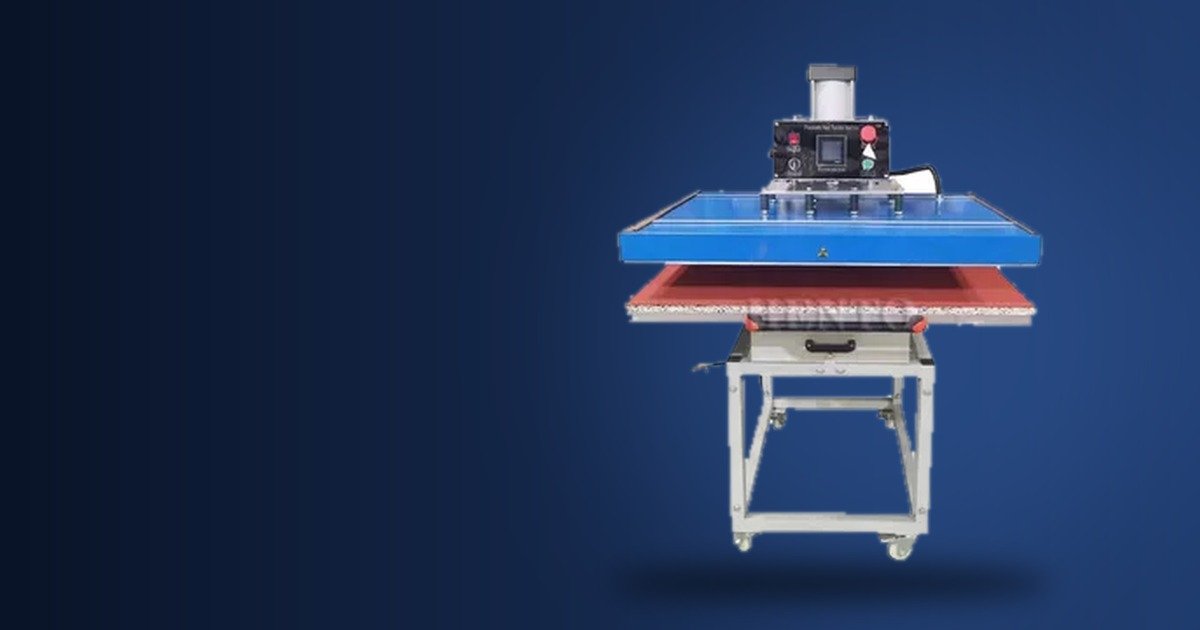
Large format and double bed presses. Designed for oversized prints and higher output. A double bed press lets you load one side while the other is pressing, which can noticeably increase daily production.
Choosing the Right Platen Size
The platen is the flat heated plate that touches your design. Its size decides the largest print you can make in one press.
- 12×15 inch and 15×15 inch: Suitable for small and standard chest prints, kids’ clothing and small gifts.
- 16×20 and 16×24 inch: A popular range for general t-shirt work and larger graphics.
- Larger platens: Better for oversized designs, fabric panels and production workshops.
A sensible rule is to pick a size based on the biggest design you expect to press regularly. A bigger platen gives flexibility, but it also needs more space, more power and a larger budget. If most of your orders are small, a mid-size press is often the smarter choice than a very large one.
What You Can Make with a Heat Press
The range of products is one reason this business model is so popular:
- T-shirts, hoodies and sportswear
- Mugs and plates, with the correct attachment
- Caps and tote bags
- Mouse pads and cushion covers
- Fabric panels and promotional items
Personalized gifts, school and corporate orders, team uniforms and event merchandise all rely on these same processes. This variety lets you build a business around repeat customers and seasonal demand.
Features to Check Before You Buy
Specifications on a product page can look similar, so focus on the points that actually affect your results.
Even heat distribution. A press that reaches the set temperature but has cold spots will produce patchy transfers. Even heat across the whole platen matters more than a high maximum temperature.
Adjustable pressure. Thin t-shirts and thick hoodies need different pressure. A machine with easy, reliable pressure adjustment saves you from wasted garments.
Digital timer and temperature display. Clear digital controls help you repeat the same settings across a batch, which keeps quality consistent.
How a Heat Press Fits with Other Machines
A heat press becomes far more valuable when it is part of a small set of complementary tools.
Vinyl Cutting Plotters cut letters, numbers, shapes and logos out of heat transfer vinyl. After cutting, you remove the extra vinyl, a step called weeding, and press the remaining design onto the garment. This pairing is the standard approach for team shirts, jerseys, name printing and custom lettering. Plotters can also cut adhesive vinyl for stickers, labels and window graphics, which gives you another product line.
A laser cutting machine handles materials that a press and plotter cannot work with, such as wood, acrylic and leather. It is used for nameplates, keychains, trophies, wedding cards and decorative signs. If you are researching a laser cutting machine in Pakistan, it usually makes sense to start with a heat press and a plotter first. Add the laser cutter once you have steady demand for engraved or cut products, since it needs a larger budget, ventilation and more training.
Basic Heat Press Workflow
Whatever you are pressing, the process follows the same pattern:
- Preheat the machine to the temperature recommended for your material.
- Pre-press the garment for a few seconds to remove moisture and wrinkles.
- Place the design in position and cover it with a protective sheet.
- Set the pressure and time, then close the press.
- Remove the item and peel the carrier sheet, hot or cold depending on the product instructions.
Always follow the temperature and time guidance that comes with your transfer paper or vinyl, as different products need different settings.
Common Mistakes to Avoid
Most failed prints come from a short list of avoidable errors:
- Using the wrong temperature or time for the material
- Applying too little pressure, which causes peeling, or too much, which can leave marks
- Skipping the protective sheet, which can scorch fabric or contaminate the platen
- Pressing damp garments
- Mixing up sublimation and HTV settings
- Using sublimation on cotton and expecting vivid, permanent results
Keeping a small test sheet for new materials helps you find the right settings before you risk a customer’s order.
Maintenance and Safety Tips
A heat press can last for years if you look after it.
- Let the machine cool completely before cleaning the platen.
- Wipe away ink or adhesive residue promptly so it does not transfer onto the next item.
- Never leave a hot press unattended.
- Inspect cables, plugs and switches regularly.
- Keep children and pets away from the workspace.
- Use a stable table that can handle the machine’s weight and the pressure applied.
Good habits protect both your equipment and your products.
Which Setup Should You Start With?
There is no single answer, but these starting points work for most people.
- T-shirts and mugs on a limited budget: A combo heat press gives you the widest range from one purchase.
- Custom lettering, jerseys and logos: A heat press paired with a vinyl plotter.
- Engraved gifts, trophies and wooden products: Add a laser cutter later, once you have proven demand.
The best strategy is to buy for the orders you can realistically get today, then expand as your customer base grows. Buying every machine at once often leaves expensive equipment sitting idle.
Conclusion
A heat press machine is the foundation of most custom printing businesses. It is versatile, relatively easy to learn and supports many products, from t-shirts and mugs to caps and gift items. The key is choosing a type and size that match your actual orders, checking heat and pressure quality, and making sure you have dependable support after the purchase. As your business grows, adding vinyl cutting plotters and later a laser cutter lets you widen your product range without losing control of quality. Explore our range of heat press machines, or contact our team for guidance on the right setup for your business.
FAQs
Which heat press machine is best for beginners?
A clamshell or combo press in a standard size is usually the easiest way to start. It is simple to learn and covers the most common products.
Can I use sublimation on cotton?
Sublimation works best on polyester or polyester-coated items. For cotton, heat transfer vinyl or ready-made transfers give better results.
Do I need a vinyl plotter with a heat press?
Only if you want custom-cut lettering and logos. For sublimation and pre-printed transfers, a press alone is enough.
Is a laser cutter necessary for a printing business?
No. It is an add-on for engraving and cutting rigid materials, not a requirement for apparel and sublimation work.
How do I know if a machine will last?
Look at build quality, platen finish and heating consistency, and ask about warranty and spare parts before buying.


