How Much Does a Fiber Cutting Machine Cost in Pakistan, and What Can It Cut?
If you run a metal workshop, a signage business or a small fabrication unit in Pakistan, you have probably asked the same question more than once: how much does a fiber cutting machine cost, and is it worth the investment? The honest answer is that there is no single fixed number. The price depends on a handful of choices you make before you buy, such as power, bed size and the quality of the components inside the machine.
Fiber lasers have changed the way metal is cut. They are fast, accurate and cheaper to run than many older methods. This guide explains how a fiber cutting machine works, which metals it can handle, what really moves the price, and what to check before you place an order.
What Is a Fiber Cutting Machine and How Does It Work?
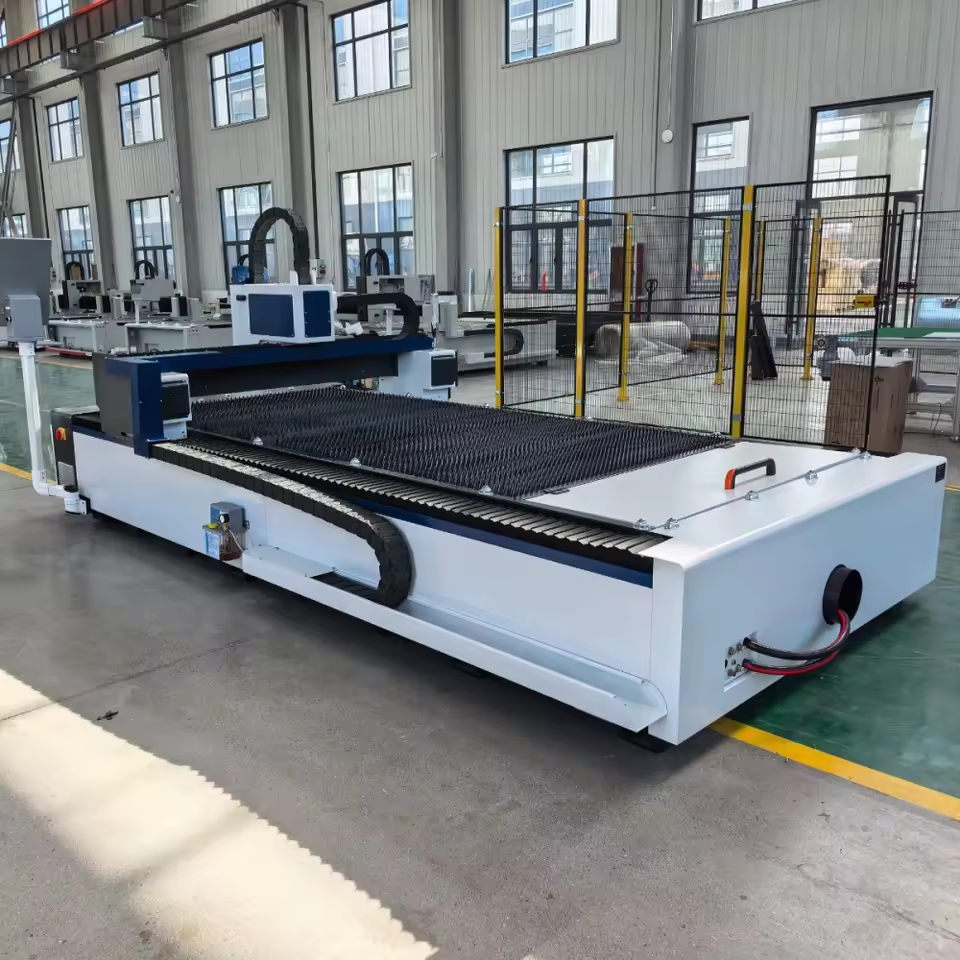
A fiber cutting machine produces a laser beam in a fiber source and carries it through a flexible fiber cable to a cutting head. The head focuses the beam into a very small spot. That spot melts or vaporizes the metal along a programmed path, while an assist gas blows the molten material out of the cut.
A CNC controller moves the head across the sheet, so the same design can be repeated hundreds of times with the same edge quality. This repeatability is one of the biggest reasons workshops move away from manual cutting, shearing or plasma for sheet metal jobs.
The wavelength of a fiber laser is absorbed very well by metals. That is why fiber technology is the standard choice for cutting steel, stainless steel and aluminium, while other laser types are better suited to non-metal materials.
What Metals Can a Fiber Cutting Machine Cut?
A fiber cutting machine is built for metal. The common materials include:
- Mild and carbon steel
- Stainless steel
- Galvanized sheets
- Aluminium
- Brass and copper, which are reflective and need enough power and correct settings
The maximum thickness depends on the laser power, the gas you use and the quality of the machine. If your work involves wood, acrylic, leather or fabric, a fiber laser is not the right tool. In that case a CO2 laser cutting and engraving machine is the better fit, and it is worth reading that buyer’s guide before you decide between the two technologies.
What Decides the Price of a Fiber Cutting Machine?
When people search for a laser fiber price, they often compare only the headline figure. Two machines that look similar on paper can differ a lot in what they include and how long they last. These are the main factors behind the price.
1. Laser power. Fiber machines are commonly sold in power levels such as 1000W, 1500W, 2000W and 3000W or more. Higher power cuts thicker metal and cuts faster, and it raises the price.
2. Laser source. The source is the heart of the machine. A reliable source gives stable output and a long working life, and it is usually one of the biggest parts of the total cost.
3. Cutting head and optics. A good cutting head keeps the beam focused and handles different materials smoothly. Cheaper heads can limit cut quality and need more frequent servicing.
4. Bed size. A larger working area lets you cut full-size sheets, but it needs a bigger frame and a stronger motion system.
5. Controller and motion system. The control software, motors and guide rails decide how accurate and smooth the machine runs at high speed.
6. Accessories. A water chiller, exhaust system, air compressor and gas supply are needed to run the machine properly. Always ask whether they are included in the quote.
7. Import costs and exchange rate. Most fiber machines are imported, so the final price in Pakistan moves with duties, freight and the dollar rate. This is why quotes are valid only for a limited time.
Because of these variables, the most useful step is to ask for a written quotation that lists the power, source, bed size and accessories, then compare quotes on the same basis.
Which Power Level Do You Actually Need?
Buying more power than your work needs wastes money, and buying too little slows your production. As a rough guide:
- 1000W to 1500W suits thin sheets, signage, kitchenware parts and small components.
- 2000W to 3000W suits thicker steel, faster production and workshops that cut a mix of materials every day.
- Higher power is for heavy fabrication and large production runs.
Treat these ranges as general guidance only. The real cutting thickness depends on the metal, the assist gas and the machine itself, so ask the supplier for sample cuts on your own material before you commit.
Running Costs You Should Plan For
The machine price is only part of the picture. Plan for these regular costs as well:
- Electricity. Check the power requirement of the machine and whether your workshop supply can handle it.
- Assist gas. Oxygen is common for carbon steel, nitrogen gives clean edges on stainless steel and aluminium, and compressed air can work for thinner sheets at a lower cost.
- Consumables. Nozzles and protective lenses wear out with use and need replacement.
- Chiller upkeep. The chiller keeps the source at the right temperature and needs basic maintenance.
One advantage of fiber technology is that it generally needs less maintenance than glass-tube lasers, because there are no mirrors to align and no tube to replace. That lowers the long-term cost for busy workshops.
Fiber Cutting vs Fiber Marking: Are They the Same?
They are not, and mixing them up is a common mistake. A fiber cutting machine cuts through sheet metal. A fiber laser marking machine only marks or engraves the surface, for example serial numbers, logos or barcodes on tools and parts. If your goal is to cut metal sheets, you need a cutting machine. If your goal is permanent marking on finished parts, a marking machine is the right and far more affordable choice.
What to Check Before You Buy
Use this short checklist when you compare suppliers:
- The materials and maximum thickness you plan to cut
- The sheet size you work with most often
- Your expected daily production volume
- Your workshop’s power supply, ventilation and floor space
- Warranty terms and the availability of spare parts
- Installation, operator training and after-sales support
- A demonstration or sample cut on your own material
- Proof that the machine and its main components are original
A machine that is slightly more expensive but comes with solid training and support often saves more money than a cheaper machine that sits idle waiting for a part.
Why Buy From a Local Supplier
A local supplier can explain the machine in your language, install it at your workshop and respond quickly when you need help. TMC Tech supplies fiber laser metal cutting machines for Pakistani businesses, and the team can guide you on power, bed size and setup based on the metals you cut.
Conclusion
A fiber cutting machine is a serious investment, but for the right workshop it pays back through speed, precision and low maintenance. The cost is shaped by laser power, the quality of the source and cutting head, bed size, accessories and import factors, so compare quotes on equal terms rather than on price alone. Decide what metals and thicknesses you work with, test sample cuts, and choose a supplier that offers real training and after-sales support. That approach will help you pick a machine that fits your business today and still serves you as your orders grow.
Frequently Asked Questions
How much does a fiber cutting machine cost in Pakistan?
The price depends on laser power, the laser source, bed size, cutting head, accessories and the current exchange rate. Because these vary so much, the best approach is to request a written quote with full specifications from the supplier.
Can a fiber laser cut wood or acrylic?
A fiber laser is designed for metal and is not a good choice for wood, acrylic or similar materials. A CO2 laser is better for those jobs.
What power is enough for a new workshop?
Many workshops start with 1000W to 2000W for thin and medium sheets. The right level depends on the thickness of the metal you cut most often, so test your own material first.
Is a fiber cutting machine cheaper to run than other cutting methods?
For sheet metal, fiber machines are generally efficient and need less maintenance than glass-tube lasers. Your actual running cost will still depend on gas use, electricity and consumables.
Can it cut copper and brass?
Yes, but these metals are reflective, so you need enough power and the correct settings. Confirm with your supplier that the machine is suitable for them.
What do I need to install a fiber cutting machine?
You need stable electricity, a chiller, ventilation, a gas or air supply and a flat, stable floor. A good supplier will help with installation and train your operators.


