Metal Laser Cutting Machine Price in Pakistan: What Decides It?
Searching for the metal laser cutting machine price in Pakistan can feel confusing. One supplier gives a low figure. Another gives a figure that is much higher. Both machines look almost the same on paper.
At TMC Tech, we hear this concern from workshop owners every week. The truth is simple. The price depends on what is inside the machine and what comes with it. If you plan to buy a metal laser cutting machine, this guide shows what really moves the figure. It also lists what to ask before you pay.
Which Laser Can Actually Cut Metal?
Let us clear up a common mix-up first. Not every laser cutter can cut metal. A CO2 laser works well on acrylic, wood, and leather. It struggles with steel and shiny metals.
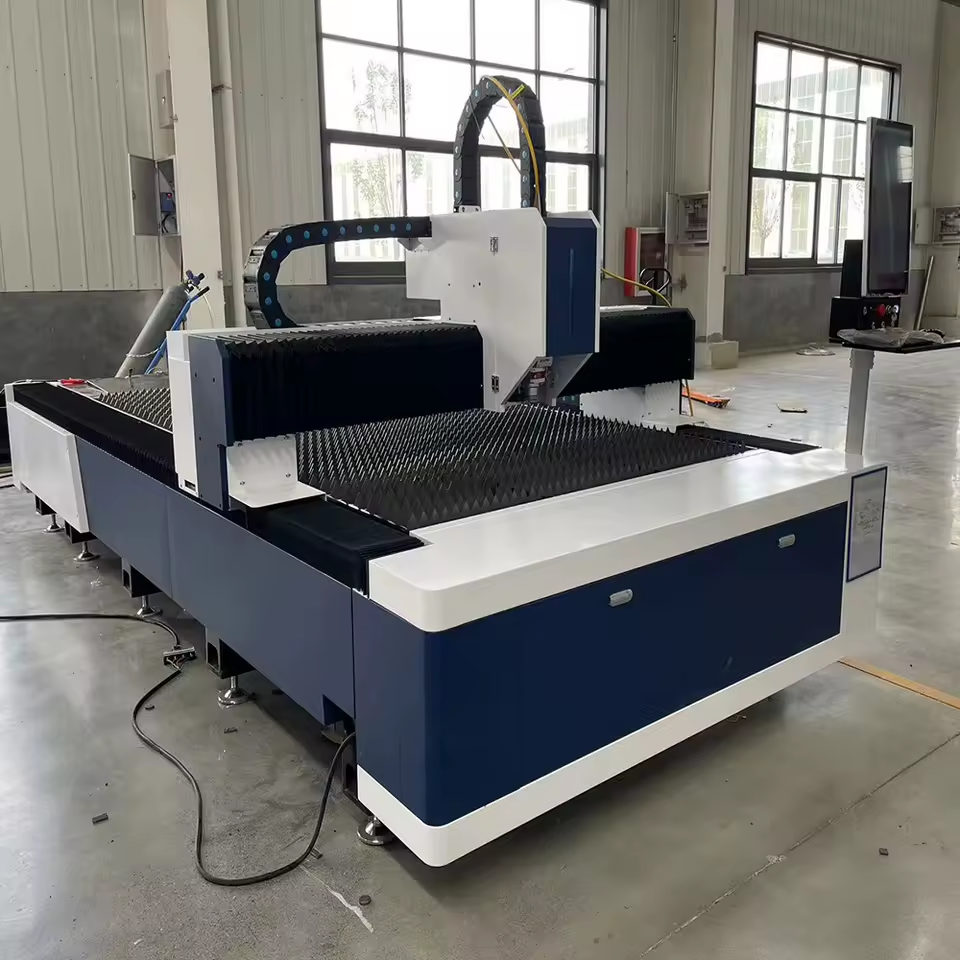
For steel, stainless steel, aluminium, and brass, you need a fiber laser. Metal laser cutting machine price in Pakistan absorbs its beam far better. That gives you clean edges and fast cutting.
So check the laser type before you compare any quote. A CO2 machine and a fiber machine are built for different jobs. Comparing them side by side will only mislead you.
What Decides the Metal Laser Cutting Machine Price in Pakistan?
Several factors shape the final figure. Each one pushes it up or down.
- Laser power. This matters most. Lower power cuts thin sheet. Higher power cuts thick plate, and it cuts faster. More power means a bigger investment.
- Source brand. The source is the heart of the machine. Trusted brands give stable output for years. Always ask which source is inside and what the warranty covers.
- Bed size. A small bed suits signage and small parts. A large bed handles full sheets. Bigger frames need stronger rails and motors.
- Cutting head and controller. A quality head keeps the beam steady and the focus accurate. A weak head ruins edges and wastes power.
- Chiller and gas setup. A fiber laser needs proper cooling, which matters in our hot summers. Oxygen helps cut thick mild steel. Nitrogen gives bright, clean edges on stainless steel and aluminium.
- Software. Good nesting software saves sheet material. Over time, that lowers your waste.
- Import costs. Freight, duties, and the exchange rate change the final figure. This is why quotes shift from month to month.
- Installation, training, and warranty. A machine without a trained operator or local support can sit idle for weeks.
Why Do Two Similar Machines Have Different Quotes?
Look inside the machine. Two models may claim the same power. One may use a premium source, a branded cutting head, and a sturdy frame. The other may use cheaper parts everywhere.
The difference shows later. You will see it in edge quality, cutting speed, and repair visits. A low upfront figure can turn into a high running cost.
So ask for a written parts list. Then compare it line by line. This one step removes most of the confusion.
How Much Laser Power Do You Really Need?
Start with your work, not the quote. Note the metals you cut. Note the thickest sheet you cut often. Also note how many sheets you cut in a day.
A shop that cuts thin stainless sheet for kitchen items needs a different setup than a workshop that cuts heavy plate. Extra power you never use is wasted money. Too little power slows you down and costs you orders.
Size the machine for your regular work, not your rare jobs. For a rare heavy job, outsourcing can be cheaper than buying a bigger machine.
What Costs Come After You Buy the Machine?
The machine is only part of the budget. Plan for these running needs:
- Stable electricity and a good voltage stabiliser
- Oxygen or nitrogen supply
- Consumables such as nozzles and protective lenses
- Fume extraction
- Regular cleaning and servicing
- A skilled operator
Fiber lasers need less maintenance than older laser types. They have no mirrors to align and no gas tube to refill. Still, the cutting head parts wear with use. Keep spares ready so a small part never stops your whole shop.
What Should You Prepare Before the Machine Arrives?
Good preparation saves days of delay. Most imported machines pass through customs, then travel by road to your city. Ask your supplier for a clear delivery timeline and a written list of what is included.
At the same time, get your workshop ready. You need a flat, strong floor. You need a stable power supply with proper earthing. You also need space around the machine for sheet loading and for ventilation.
On installation day, ask the engineer to run test cuts on your own metal. Let your operator watch every step. A smooth setup like this builds confidence from the very first sheet.
Which Businesses Gain Most From Metal Laser Cutting?
We see strong demand from these groups:
- Signage and metal letter makers
- Kitchenware and home product makers
- Fabrication workshops in cities like Lahore, Karachi, and Faisalabad
- Auto and machinery part makers
- Electrical panel and enclosure makers
All of them want faster output, tighter accuracy, and less hand finishing. Over time, that means more orders and better margins.
Is a Fiber Laser Worth It for a Small Workshop?
For many owners, the answer is yes. But it depends on your order flow. If you outsource cutting today, think about the delays and the extra handling cost. With your own machine, you control the schedule and the quality.
A fiber laser also cuts faster and leaves cleaner edges. That means less grinding and less scrap. Over time, those savings add up.
Still, be honest about your volume. If you cut only a few sheets a month, outsourcing may suit you better for now. If orders are steady and growing, your own machine usually pays off sooner.
Can Other Machines Grow Your Workshop Too?
Many buyers build a small production line, not just one machine. The metal cutter handles hard material. Other machines add new services.
If you make stickers, labels, or vinyl graphics, a servo cutting plotter is a smart add-on. Its servo motor gives smoother and more accurate cuts than basic stepper models. It works well for fine detail and long runs.
If you print on garments or mugs, a heat press adds another income stream. Together, these tools let one workshop serve many customers.
How Can You Buy Smart and Avoid Costly Mistakes?
Use this simple checklist before you place an order.
- Define your metals, thickness, and daily volume.
- Ask for a live demo on your own material.
- Get the source and cutting head brands in writing.
- Confirm what is included, such as the chiller, software, and gas fittings.
- Ask for on-site operator training.
- Check after-sales support and local spare parts.
- Compare total cost, not just the first figure.
Be careful with used machines. Buy one only if you can verify the source hours and see a test cut. A worn source is costly to replace.
Conclusion
The metal laser cutting machine price in Pakistan reflects far more than one number. It reflects the power you need, the parts inside, the support behind the sale, and the costs that follow. A cheap machine with poor support can cost more in the end.
Start with your own work. Then compare quotes on parts, training, and service. That is how you truly protect your investment and profit. If you also plan to expand into garment or mug printing, compare the heat transfer machine price across sizes and types too.
At TMC Tech, we help businesses pick machines that fit their work and budget. Contact our team for honest advice on laser cutting, heat transfer, and vinyl cutting equipment. We will help you choose with confidence.
Frequently Asked Questions
What is the metal laser cutting machine price in Pakistan based on?
It depends on laser power, source brand, bed size, cutting head, cooling, and import costs. Support and warranty also count. Always ask for a detailed written quote.
Can a CO2 laser cut metal?
Not well. CO2 suits acrylic, wood, and leather. For steel, stainless steel, and aluminium, choose a fiber laser.
How much laser power do I need?
It depends on the metal and its thickness. Share your typical work with your supplier. They can then suggest the right size.
Can one machine cut all types of metal?
A fiber laser handles most common metals, including steel, stainless steel, aluminium, and brass. Thickness limits depend on the power you choose. Highly reflective metals need extra care and the right settings.
Why does the price change so often?
Exchange rates, freight, and duties move the final figure. That is why quotes stay valid only for a short time.
Is a fiber laser costly to maintain?
It is considered low maintenance. You still need to replace nozzles and protective lenses, and keep the machine clean.
Do I need training to run one?
Basic training is enough to start. Laser safety training is also important, since beams can harm eyes and skin.


