What Makes a Laser Cutting Machine Useful for Pakistani Businesses?
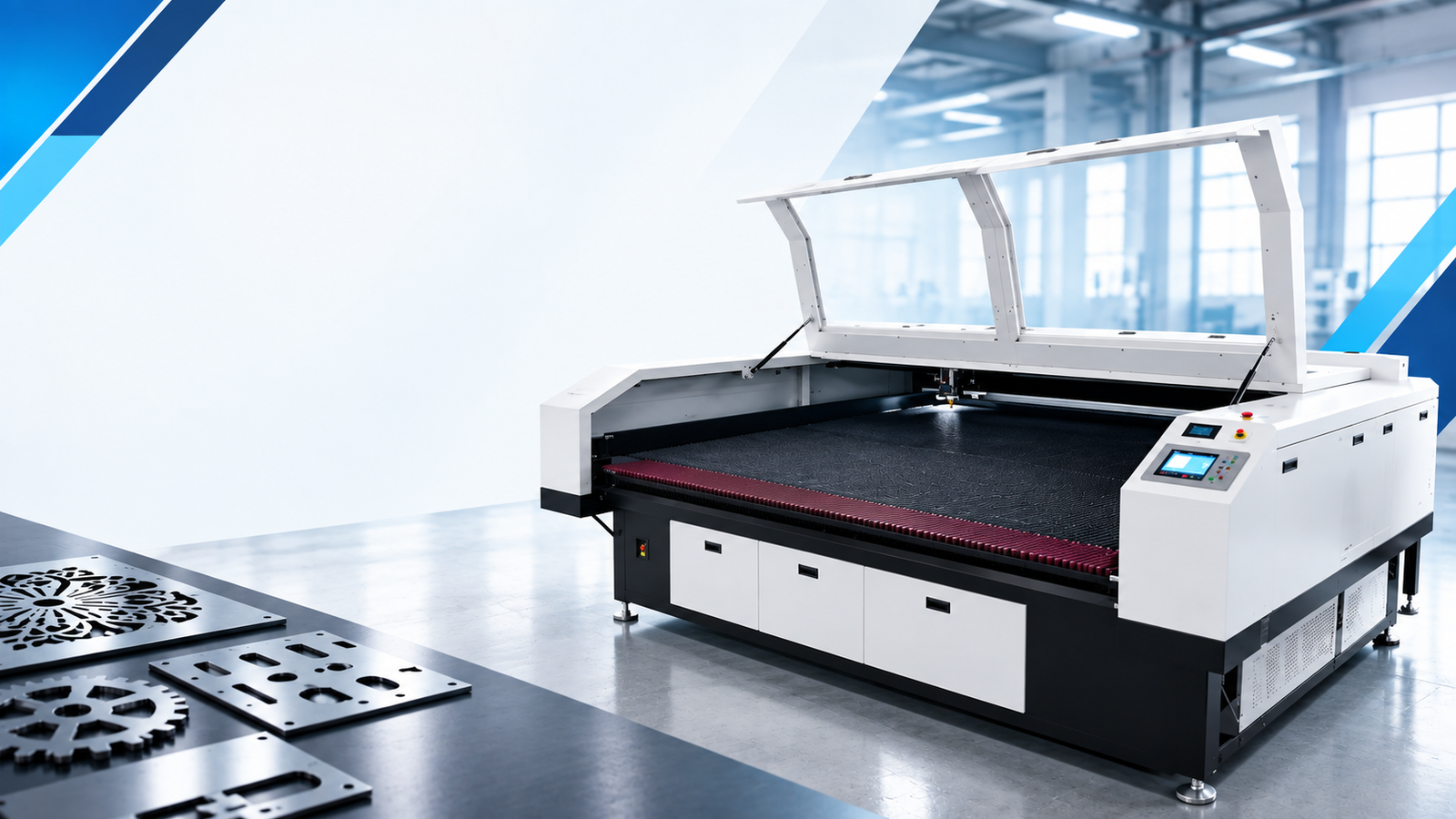
Laser Cutting Machine Pakistan solutions help businesses improve cutting, engraving, and production work. Modern machines can handle detailed designs with better control and repeatability. They support many industries, including manufacturing, signage, advertising, and product development. Businesses in Pakistan often need reliable equipment for different production tasks. Manual cutting can take more time for complex designs. It can also create differences between repeated pieces. Laser technology offers a digital approach to many cutting tasks. Operators can prepare a design and send it to the machine. The machine then follows the digital pattern with controlled movement. TMC Tech provides different machine categories for cutting, engraving, marking, and digital production. Its range includes Laser Cutting & Engraving Machines and Vinyl Cutting Plotters. The company also offers fiber and UV marking solutions. The right machine depends on the material, application, design, and production requirements. Understanding these factors can help businesses select suitable equipment.
Why Accuracy Matters in Business Production
A Laser Cutting Machine Pakistan solution can support businesses that need detailed and repeatable cutting. The laser follows digital designs instead of using traditional cutting blades.
This process can help create clean shapes and detailed patterns. It also gives businesses more control over repeated production tasks.
Improved Cutting Accuracy
Accuracy matters when businesses produce parts or decorative products. Small cutting errors can affect the final product. Laser systems can follow digital designs with precise movement. This makes them useful for detailed shapes and repeated patterns. TMC Tech offers fiber laser metal cutting machines for suitable metal applications. Its listed machine uses CNC control, servo movement, and an automatic focus cutting head. These features support controlled production for suitable materials.
Consistent Results
Businesses often need several pieces with the same design. Manual cutting can make this task difficult. Digital machine control can improve consistency between repeated jobs. Operators can use the same design file for multiple production runs.
This approach can support businesses that make:
- Metal components
- Decorative panels
- Signs
- Product parts
- Custom designs
- Promotional items
Better Design Flexibility
Digital cutting allows businesses to change designs without creating new physical templates. Operators can modify the design file before production. This flexibility helps businesses handle custom orders. It also supports businesses that create different designs for different customers.
Reduced Manual Work
Laser cutting can reduce some manual cutting tasks. Workers can spend more time on design preparation, machine setup, finishing, and quality checks. This can create a more organized production workflow.
Laser Cutting and Engraving Machines for Different Materials
Laser Cutting & Engraving Machines can support different business applications. The suitable machine depends on the material and required process. Some machines focus on non-metal materials. Others use fiber laser technology for suitable metal applications. TMC Tech lists laser cutting and engraving machines for materials such as acrylic, wood, leather, MDF, paper, cardboard, and fabric.
Acrylic Cutting and Engraving
Acrylic works well for many signage and decorative applications. Businesses can use laser systems to create letters, shapes, panels, and display pieces.
Laser engraving can also add patterns and other design details.
This makes acrylic useful for:
- Business signs
- Display boards
- Decorative panels
- Custom lettering
- Promotional products
- Interior design elements
Wood and MDF Applications
Wood and MDF provide many options for creative businesses. Laser cutting can create detailed shapes and patterns. Businesses can use these materials for decorative products, signs, models, and custom designs. Laser engraving can add names, patterns, logos, and other details.
Leather and Fabric Work
Suitable laser systems can also support leather and fabric applications. Businesses can create decorative patterns and custom shapes. These applications can support fashion products, crafts, accessories, and promotional items. The correct machine settings depend on the material and required result. Operators should always follow the machine manufacturer’s operating guidelines.
Packaging and Promotional Products
Laser equipment can help businesses create packaging prototypes and promotional products. A business can produce custom shapes without creating a separate cutting template for every design. This can help businesses test new ideas before larger production runs.
Fiber Laser Marking Machine for Product Identification
A Fiber Laser Marking Machine provides a solution for detailed marking applications. Marking differs from cutting because the machine creates information or designs on the material. Businesses can use marking systems for product identification and branding.
Product Codes and Serial Numbers
Manufacturers often need to identify individual products. Laser marking can create serial numbers and product codes on suitable materials.
These marks can help businesses organize their products and maintain identification during handling.
Common applications include:
- Serial numbers
- Model numbers
- Product codes
- Logos
- Text
- Barcodes
- QR codes
Branding Applications
Businesses can use laser marking to add logos and brand details. This can create a clean and professional appearance on suitable products.
Marking can also support customized products. Businesses can add names, numbers, or other details based on the order.
Metal Marking
Fiber laser technology can support marking applications on suitable metals. TMC Tech also lists UV fiber laser marking equipment for detailed marking tasks. UV laser marking can provide fine marks with limited heat impact. This makes it useful for applications that need detailed surface marking.
Industrial Applications
Marking systems can support several industries. These include electronics, automotive parts, tools, jewelry, promotional products, and industrial components. The required marking method depends on the material and desired finish.
Vinyl Cutting Plotters for Signs and Creative Businesses
Vinyl Cutting Plotters offer a different digital cutting solution. They are useful for businesses that work with vinyl, stickers, labels, and similar flexible media. TMC Tech lists vinyl plotters for signage, advertising, vehicle graphics, stickers, labels, and customization work.
Sign Making
Sign businesses can use plotters to cut letters and graphics from vinyl. The digital workflow allows operators to prepare designs before cutting.
This makes plotters useful for:
- Shop signs
- Wall graphics
- Window graphics
- Vehicle lettering
- Promotional stickers
- Custom labels
Vehicle Graphics
Vehicle graphics require accurate cutting for letters and shapes. Vinyl plotters can help businesses create detailed designs for vehicles. Operators can prepare the design digitally and cut the vinyl according to the required shape.
Sticker and Label Production
Businesses can also use cutting plotters for stickers and labels. Automated cutting can help create repeated designs with consistent shapes. TMC Tech also offers automatic feeding plotters for printed sheets, stickers, labels, packaging, and promotional materials.
Heat Transfer Vinyl
Some plotters support heat-transfer materials. Businesses can use suitable equipment for apparel graphics and customized designs. This creates opportunities for clothing businesses and promotional product providers.
Automatic Feeding
Automatic feeding plotters can reduce manual material handling. TMC Tech’s A3 Max4, for example, includes automatic feeding and tracking features. These features can support repeated production work.
Choosing the Right Laser Machine for Your Business
Selecting a machine requires more than looking at its basic function. Businesses should first understand their production requirements. The right equipment should match the material, design type, work area, and expected workload.
Identify Your Materials
Start by listing the materials your business uses regularly. For example, metal fabrication businesses may need fiber laser technology. Sign businesses may need vinyl cutting equipment. Businesses working with acrylic, wood, MDF, or leather may need a suitable CO₂ laser system. Material selection should always come before machine selection.
Understand Your Workload
Consider how often the machine will operate. A business with regular production may need equipment designed for continuous workflows. A small creative business may have different requirements. Understanding your workload can help you avoid selecting equipment that does not match your daily operations.
Check the Working Area
The work area determines the size of material you can process. Larger projects may require a larger working area. Smaller products may not need the same workspace. TMC Tech lists machines with different working areas for different applications. For example, its M3020 model has a 300 × 200 mm working area.
Review Machine Compatibility
Businesses should check whether the machine supports their design software and file formats. Digital production depends on a smooth connection between design and cutting. A compatible workflow can make daily operations easier for machine operators.
Consider Maintenance Needs
Every machine needs proper maintenance. Operators should follow the recommended maintenance schedule. Cleaning, cooling, optics, ventilation, and other machine components require proper attention. For laser tube systems, cooling and operating conditions can affect tube life. TMC Tech’s listed RECI tubes use water cooling and require suitable operating conditions.
Think About Safety
Laser equipment requires proper safety practices. Operators should follow the manufacturer’s instructions. The workspace should also provide suitable ventilation and safety controls. Training can help operators understand machine settings and safe operating procedures.
How Laser Technology Supports Pakistani Businesses
Laser technology can help businesses improve their production capabilities. It can also open opportunities for custom products and new services.
Supporting Local Manufacturing
Manufacturing businesses can use cutting technology to create components and parts. Accurate digital cutting can support different production requirements. Metal cutting machines can work with suitable metals, including mild steel, stainless steel, aluminum, brass, and copper. TMC Tech lists these materials for its fiber laser metal cutting machine.
Supporting Signage Businesses
Sign and advertising businesses can use both laser machines and vinyl plotters. Laser machines can create rigid signs and decorative pieces. Vinyl plotters can handle flexible graphics and lettering. Using suitable equipment can allow a business to serve different types of signage projects.
Supporting Custom Product Businesses
Customization continues to create opportunities for small businesses. Laser equipment can help create names, logos, patterns, and custom shapes. Businesses can use these capabilities for promotional products, decor, gifts, packaging, and other products.
Improving Production Planning
Digital machines can make production planning easier. A business can prepare design files before starting the physical production process. Operators can also organize repeated jobs using saved digital designs. This creates a more structured workflow.
Expanding Service Options
A business can use suitable equipment to offer additional services. For example, a sign business can add sticker cutting. A manufacturing company can add product marking. A creative workshop can offer engraving and custom product services. This flexibility can help businesses explore new production opportunities.
Is a Laser Machine Worth It for Small Businesses?
A Laser Cutting Machine Pakistan solution does not only serve large factories. Small businesses can also use suitable machines for specialized production.
Custom Products
Small businesses can create personalized products with digital cutting and engraving. They can work with suitable materials to produce custom signs, decor, packaging, and promotional products.
Prototyping
Laser machines can also support product prototypes. Businesses can create sample designs before moving toward larger production. This can help identify design issues early.
Creative Workshops
Creative workshops can use laser equipment for crafts and decorative products. Suitable machines can support detailed patterns and custom shapes. This gives designers more freedom during product development.
How TMC Tech Supports Machine Selection
Choosing production equipment requires a clear understanding of business requirements. TMC Tech provides several machine categories for different applications. Its website lists laser cutting and engraving machines, fiber marking machines, vinyl cutting plotters, heat press machines, and related products. Businesses can first identify their materials and production goals. They can then compare suitable machine categories. For example, a metal fabrication business may need a fiber laser solution. A signage business may need vinyl cutting equipment. A business focused on engraving may need a suitable laser cutting and engraving machine. The correct choice depends on the intended application.
Common Mistakes to Avoid When Selecting a Machine
Businesses should avoid choosing equipment only because it has advanced features. The machine must match the actual production requirements.
Choosing Without Checking Materials
Different machines support different materials. Always confirm material compatibility before selecting equipment.
Ignoring Workload
A machine should match the expected production workload. Consider both current and future production needs.
Forgetting Software Requirements
Design software plays an important role in digital production. Check supported software and file formats before making a decision.
Conclusion
A Laser Cutting MachinePakistan solution can help businesses improve precision, design flexibility, and production control. Laser Cutting & Engraving Machines support applications across manufacturing, signage, crafts, packaging, and custom products. A Fiber Laser Marking Machine can help businesses create product codes, logos, serial numbers, and other marks. Vinyl Cutting Plotters can support stickers, labels, vehicle graphics, signs, and heat-transfer designs. The right machine depends on the material, workload, work area, software, and production goals. TMC Tech offers different machine categories for businesses with different production requirements. If you want to improve your cutting, engraving, marking, or digital production workflow, explore the available solutions from TMC Tech. Contact TMC Tech today and discuss your business requirements to find a suitable machine solution for your production needs.
FAQ’S
What is a Laser Cutting Machine Pakistan solution used for?
A laser cutting machine can cut suitable materials using focused laser energy.
Businesses use these machines for manufacturing, signage, decoration, packaging, and custom products.
Which materials can laser cutting machines process?
The suitable material depends on the machine type. TMC Tech lists systems for materials such as metal, acrylic, wood, MDF, leather, paper, cardboard, and fabric.
What is a Fiber Laser Marking Machine?
A Fiber Laser Marking Machine creates marks on compatible materials. Businesses can use it for logos, serial numbers, codes, text, and product identification.
What are Vinyl Cutting Plotters used for?
Vinyl Cutting Plotters cut vinyl and other compatible media. They can support signs, stickers, labels, vehicle graphics, and custom designs.
Can laser machines support custom products?
Yes. Suitable laser machines can create custom shapes, patterns, engravings, and designs. Businesses can use them for promotional items, decor, packaging, and other products.
How should I choose a laser machine?
Start by identifying your materials and production requirements. Then consider the work area, workload, software, machine features, safety, and maintenance needs.


